How to Cut Up Side of Beef
When getting your beefiness from a local farmer or raising information technology yourself, you demand to know when butchering a cow (technically a bovine and usually a steer or heifer) cuts of meat that are essential to make sure you're getting the most from the fauna and the cuts that volition serve you and your family unit best.
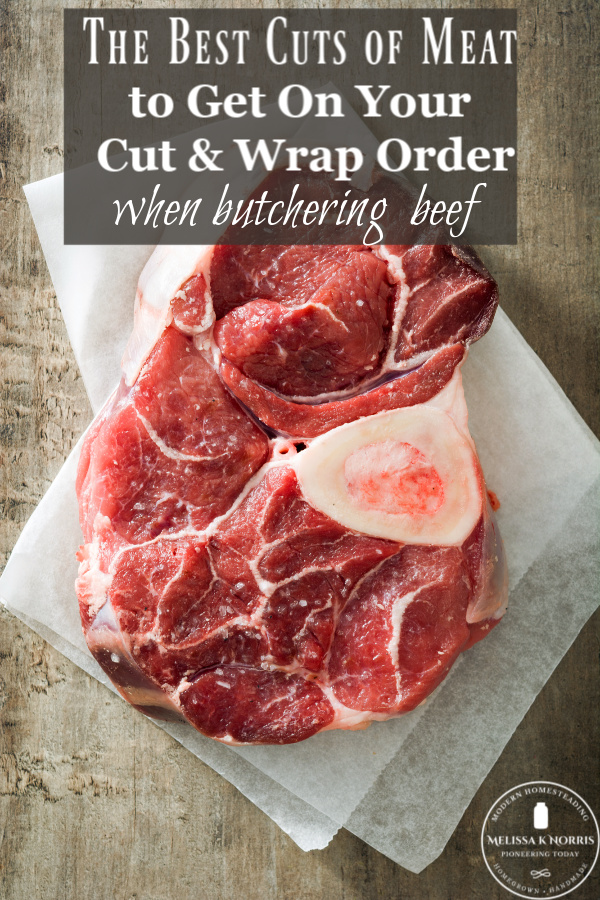
This is function ii of our raising grass fed beefiness and what you demand to know about butchering. If you missed part one where nosotros talked about What You Need to Know About Butcher Day, you definitely want to bank check information technology out. Information technology's all nigh what you demand to know on butcher mean solar day and focuses on the cuts that you tin can only get on butcher day every bit well as how to instruct the butcher to handle them. This part of the serial volition focus on what yous need to know for your cutting and wrap social club.
Listen in below to the full podcast,Episode #216 When Butchering a Cow the Best Cuts of Meat to Go of thePioneering Today Podcast, where we don't just inspire you lot, merely give yous the articulate steps to create the homegrown garden, pantry, kitchen and life you want for your family unit and homestead.
As promised we're getting into everything you need to know to tell your butcher to make sure that you are getting the virtually out of the animal likewise as the cuts that you lot and your family are going to use. This may vary some and I'll walk you through this, but I want to requite you a good overview of all the different cuts. So I volition share with y'all the cuts that nosotros go and those that are bachelor. Also to be covered are those items that you lot must asking to be given to you that is not office of the normal cut and wrap unless specifically requested. The butcher won't ask you if yous want them and so information technology'due south up to y'all to ask for them. Many people don't necessarily want them nor will they use them but us homesteaders similar to get the most out of the animals so we do use them.
Update: Technically a cow is a female bovine who has had a calf, a heifer is a female bovine under two years of age that hasn't had any calves, and a steer is male bovine that has been castrated, a bull is a male bovine that can reproduce. Usually you'll be getting a steer or heifer as your beefiness animal.
You lot'll Need to Cull Package Sizes
I of the things the butcher will inquire you is what size packet you lot want your hamburger in. Typically, it comes in 1, one and a half, or two pounds. That of grade depends on your family size and how much meat you normally utilise when cooking.
With our family of four we usually just practise a 1-pound packet with our ground meat similar hamburger and sausage. If I need 2 pounds in the event of a potluck, hosting a dinner, or batch cooking and doubling a recipe, then I'1000 able to merely grab two packages out and know that that's 2 pounds. For the bulk of the time, especially when doing hamburgers, spaghetti, meatballs, or something like that, i pound is very sufficient for us.
The adjacent decision y'all'll need to make is how many steaks y'all'll want per package. For our family of four, ordinarily, I similar to have 2 steaks per packet. My girl is still young while my son is starting to hitting those teenage years and eating more, but even with that nosotros usually are able to divide up the two steaks between the four of use. That gives the states one meal with no leftovers. Again, this all depends on your family size.
As mentioned in episode 214 Raising Grass-Fed Beef – What You Need to Know on Butcher 24-hour interval, yous want the meat to be dry out-anile for at least 14 days, preferably 21 days. But before that fourth dimension catamenia is upwards the butcher will want your cut and wrap guild so that they can go information technology done as before long as possible, especially when it'southward a busy season. They'll put that order with your beef so that on the day that they really cut and wrap everything, they already have the order information right there ready to go. So, merely know that inside the commencement couple of days of kill day, they want you to phone call in with your guild. If you don't phone call them, they'll phone call you.
Understanding Beef Cut Terminology
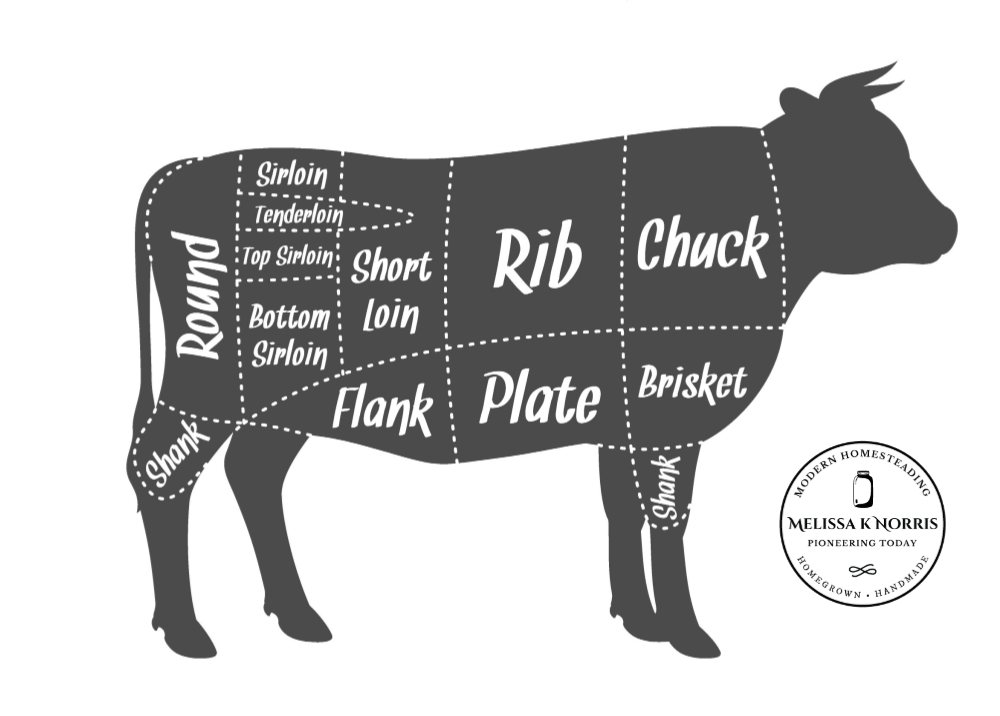
When looking at the cow, the USDA divides it into eight regions. These are referred to as the primal or main cuts. They are:
- Chuck
- Rib
- Loin
- Circular
- Flank
- Brusk Plate
- Brisket
- Shank
A few of them you may recognize such as the rib. And y'all've probably heard of chuck roast, flank steaks, and brisket, but nosotros're going to get into the nitty-gritty. The butcher looks at the main eight areas. If you're a visual person I've included a link for a cuts nautical chart in the resources department beneath.
These cardinal cuts go farther divided into sub-fundamental cuts. These are cuts that are a cut of meat that is larger than a steak or roast but definitely smaller than half or quarter side of beef. From there they are they're cutting into individual size and portion cuts.

The most expensive cuts, which you're not paying more than for (as explained in episode 214) when you butcher or purchase a whole beast, you lot pay the aforementioned per pound for all the cuts), only the most expensive cuts are in the middle – the loin and rib section. They are more than tender than the outer sections.
If you recall almost it, the out section, legs, and neck which they movement have more muscles and muscles mean firmer. Therefore usually they're tougher. If you have them aged every bit I recommended, it does assistance tenderizes the firmer cuts of meat.
How Does Beef Get Priced When Buying from a Farmer
You pay the farmer per pound of the hanging weight, pregnant that after the animal has been gutted. At that place is a carve up fee that goes to the butcher. There's a kill fee. If you lot do half the beef, and so you pay half the kill fee, and so on. And so there's a per pound cut and wrap. To requite you an idea, our fee to the butcher was $0.65 per pound.
At present that nosotros've covered what the primal cuts and sub-primal cuts are, nosotros'll get into the bodily cuts of meat that are available to you. You lot accept a lot of different cuts that you can get from the eye, simply usually, there are more than cuts per area of meat than you'll be able to go. This might be a flake disruptive simply a butcher will walk yous through if you take questions when you're doing your cutting and wrap order.
A Cut By Any Other Name
To make things a piffling more confusing, sometimes the same cut tin can have different names. The short loin is a cracking case of this. The T-bone and porterhouse steak are both from the short loin and actually are the same steak. But hither's the deviation: The porterhouse is a bigger version of the T-bone. Near people are familiar with a T-bone steak because it has that os that looks like a T which divides the meat. One i side you accept the filet while the other side has a strip steak.
A strip steak has a lot of different names too such as NY strip, KC strip, and hotel steak. Then you can have unlike variations of the name, but they mean the aforementioned thing.
The tender cuts from the center are usually a:
- T-os steak
- Strip steak
- Porterhouse steak
- Rib eye
- Rib steak
- Filet mignon
We no longer get the T-bone steak considering we all want the super tender side and none of us want the tougher side. Instead, nosotros go the rib steak which is our favorite considering the flavor and texture are simply amazing. Nosotros as well get the New York steak for our family size. Can't beat the season and texture either.
Only in case you were curious, if y'all're buying a half or a quarter of a beefiness, it'southward not similar yous merely become the front quarter and just get cuts from that section, such equally the chuck. They have all the eight different areas and so divide them up evenly between 2 or four.
Which beefiness butchering cuts practice you demand to know?
There are viii primal cuts on beef and then your subprimal cuts for individual cuts of steak, roasts, etc.
1. Chuck
Chuck is the meat that comes from the shoulder and can sometimes be considered tough but super flavorful. Types of cuts you lot'll see from the chuck region:
- Ground chuck (hamburger)
- Apartment-iron steak
- Chuck short ribs
- Shoulder tender medallions
- Chuck pot roast
- Bract roast
- Boneless chuck curt ribs
- Stew meat – Try our favorite Old-fashioned Beef Stew Recipe – Instant Pot or Slow Cooker
- Country style ribs
- Elevation blade steak
- Chuck eye roast
- Arm post roast
- Shoulder pot roast
- Mock tender roast
- Under blade roast
- 7-bone pot roast
- Flanken-mode ribs
- Cross rib roast
Simply considering all those cuts come from the same area does not hateful that yous're going to get every single one of them. In fact, most times you can't get every single one because some cuts take specific areas of the meat to get one type of cutting, while another type of cut could also include that area. It just depends on what you want as to how the butcher is going to cut upwardly the area.
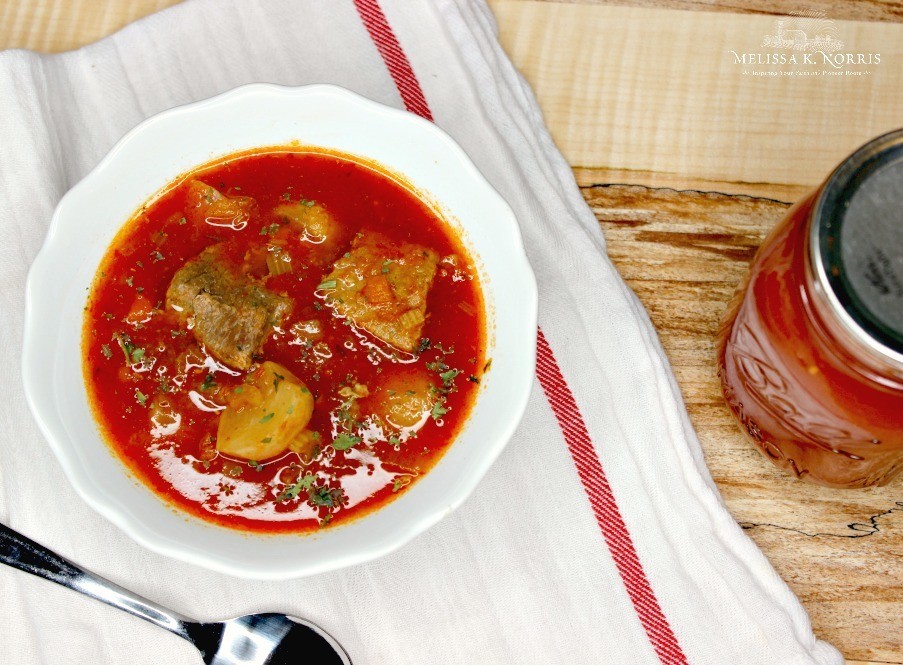
I'll give y'all an example. We love pot roast because they are the most tender and have the most flavor, cook with the almost consistently melt in your mouth flavor and texture. Nosotros don't actually like flat iron steaks, top bract steaks, or whatsoever steaks from the chuck region because they're going to be tougher. They're not as tender so nosotros don't want them. I definitely do like to get stew meat to put in stews, or make barbecued beef (information technology works very well).
And then I'll get stew meat and pot roasts from the chuck surface area and anything that is left I have them grind into hamburger.
2. Brisket
Adjacent upwards is the brisket, which is the breast of the animal, be it a steer or a cow. Virtually of the time information technology'll be a steer because it gives more than meat per animal because steers grow larger and faster than a cow. A two-yr-sometime steer is going to outweigh a two-year-one-time cow by a lot. They're more than advantageous for the farmers considering they're more cost-effective. We breed our own and two years in a row our calves have been heifers (unbred cow). It's not worth it to try to take that heifer to market and to sale and sell and so endeavour to buy a steer. So we do butcher our cows and have never noticed a divergence in season.
The brisket area has a lot of fatty in it simply can exist kind of tough. This role unremarkably gets tenderized: barbecue brisket, corned beef, pastrami are all examples of the master uses for this cut of meat. We don't normally become the brisket and have it footing up into hamburger instead. We utilise a lot of burger because it's then versatile.
3. Shank
The third area is the shank. This is the beast'due south forearm, which falls in forepart of the brisket. Unremarkably, this is considered the toughest cut of meat.
This is the area that soup bones come from, which y'all definitely want to become. The meat is actually really good on a soup bone and you'll be surprised at the amount of meat that is on the bone. Information technology's not just a bone.
I make goop with it which cooks the meat. Once that's done, I remove the bone from the broth, allow information technology cool a bit so that I can take the meat off the bone. Then I'll take the meat and put it back in the broth and make soup with it.
Any extra meat that I don't get as soup basic, I have ground up into hamburger.
4. Ribs
Ribs are next up. I think we're all pretty familiar with the rib section on an animal, cow'due south ribs and backbone. There are thirteen pairs of ribs, just it's the last section – 6 through 12 – that is in the primal section of the ribs. The others are in what nosotros consider the chuck section.
Within the ribs, there is a lot of marbling which gives it great flavor. They're one of my favorite things. Barbecued ribs…oh you lot guys, that'south one of my favorites! Need a charcoal-broil sauce recipe? Try this Homemade Barbecue Sauce or my Sweet and Smoky Barbecue Sauce.
The types of cuts available from the ribs section:
- Delmonico steak
- Boneless ribeye roast
- Cowboy steak
- Ribeye steaks
- Beef brusk ribs
- Rib roast
- Dorsum ribs
That marbling not only gives phenomenal flavor, simply we know that it likewise helps give us great tender cuts.
Now, the back rib cut is the big thing of ribs that you're used to seeing. I don't go the ribeye roasts because I want the ribeye steaks, which can have the bone or be boneless.
5. Plate
The plate section is the other source of curt ribs and is institute well-nigh the abdomen. It's a little flake fattier. The meat is usually used for:
- Fajitas
- Pastrami
- Skirt steak (cut into carne asada cut)
- Philadelphia steak
- Short ribs
Have I mentioned I actually like ribs? And so I definitely asking ribs. Nosotros as well gild the carne asada cut (aka skirt steak) because we honey a good Carne Asada.
6. Loin
The loin area contains what are typically the most expensive cuts if purchasing in a shop. It'due south located at the pinnacle, directly backside the ribs. Since these muscles here aren't heavily used, the meat is very tender.
The loin section is broken down into two subsections: the short loin and the sirloin. Popular cuts from the brusque loin are:
- Filet mignon
- Tenderloin steak
- T-os steak
- Porterhouse steak
- Strip steak
- New York strip steak
- KC Steak
- Top loin steak
The sirloin area is thought to exist a picayune less tender than the short loin, but it has more than season. Some common cuts are:
- Sirloin steak
- Center cutting sirloin steak
- Height sirloin
- Bottom sirloin
- Brawl tip steak
- Tri-tip steak
7. Round
Area number 7 is the round. This is your lean and inexpensive cuts typically by then hind end and at the hind legs so can sometimes be tough but not ordinarily super tough. Again, with the leg and shoulder areas, yous'll run across ground beef from them. Some of the cuts that you lot get from this expanse:
- Circular steak
- Eye of round
- Tip steak
- Tip roast
- Top circular
- Bottom round roast
- Boneless rump roast
I've tried cooking rump roast in a boring cooker but I can never get that son of a gun to ever get super tender and good so I don't fifty-fifty carp. We take all made into hamburger. That's just personal preference though. If yous know how to cook a melt in your mouth, succulent, boneless rump roast, please practice share it with me because perhaps I'm missing out on something.
8. Flank
The final surface area is the flank. It's located below the loin and has no bones. It'due south lean, flavorful, only tough. It used to be pretty inexpensive but people now desire more lean meat. Probably not us homesteaders though since nosotros all like our lard and tallow. The ii chief cuts from the flank expanse are:
- Flank steak
- London broil
Similar I said, with those tougher areas that we aren't having made into steak cuts or roasts they tin can turn them into ground beef and ground beefiness patties, stew meat, kabob meat (more than evenly cut and a little bit smaller than stew meat), and strips such as fajita or carne asada cuts.
Those are your eight areas and how they're broken down into dissimilar cuts.
How to Find a Local Source
If you lot can't observe a local farmer you can contact your local butcher. Oftentimes they volition sell meat independently as well, but they should also be able to point you lot in the direction of some local farmers.
Not-Standard Cuts
Marrow/Femur Bones
Now we're going to talk virtually the cuts that aren't normal that haven't been covered yet that yous might not be familiar with. First upwards, are the marrow and/or femur basic. This is the big leg of the cow and not what your soup bones come from. Ofttimes people assume that's what the soup bones are but equally we talked about earlier, the soup bones accept meat on them.
But when yous ask for the marrow or femur bone there will be no meat attached to them. They volition be just bones. You tin request that the butcher cut them up into iii-inch pieces.
The reason you want this is that it makes beautiful broth because the bones have been cut open up so you lot have all that marrow from that big leg bone. Considering of all that marrow,yous'll get a gel similar no tomorrow. It's gorgeous and yous'll dear it.
Another way that you can utilize them is by roasting them. My son and husband dearest the marrow from roasted bones. Information technology'southward like a delicacy. A lot of other nations and cultures love os marrow and will use them this way also.
Be sure to ask the butcher to chop them up for you though. You lot want to make sure you tin can access and get the near marrow out of the bones as possible.
Tallow
The other thing that yous may or may desire to become, totally up to you lot, is the tallow. Tallow is the fat from a cow. When information technology's pig fat, it'southward called lard. With beef, it's chosen tallow. Some people recall that tallow is a lot smellier and it's a lot harder.
Different lard, tallow is not something that you'll desire to use to make your pie crusts and things like that.
Now, you tin definitely utilise tallow for frying and cooking, only what about people like to utilise tallow for is for salves, balms, and lather making.
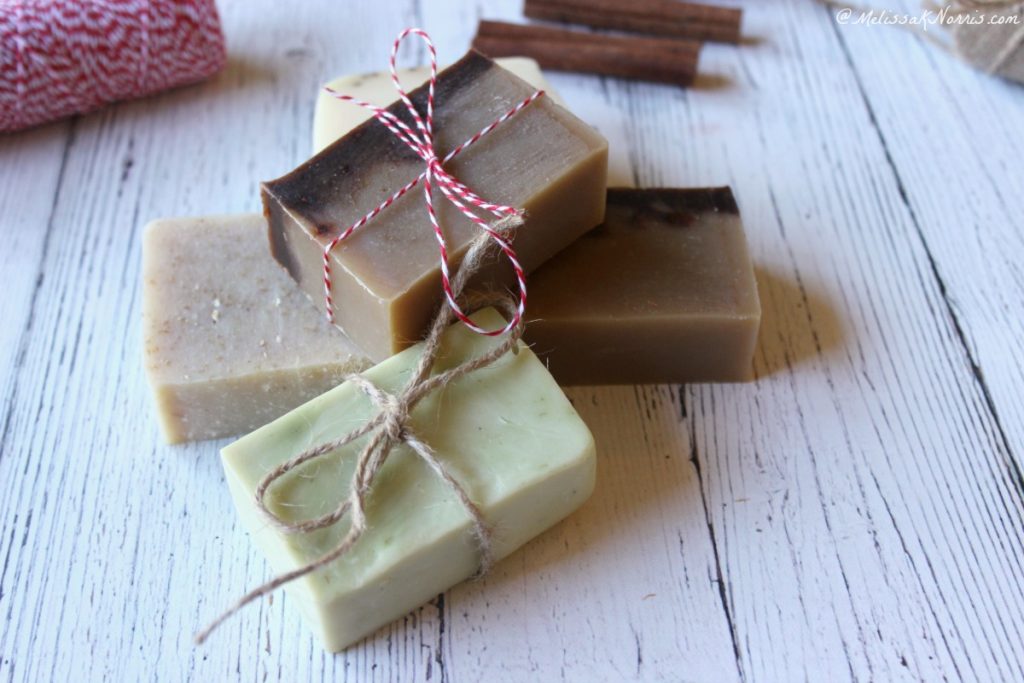
You'll need to render it downward only like you would lard. Back in the pioneer days, they also used the fat equally their candles. Now, a lot of people feel tallow is smellier than lard and and then they don't similar to use it for candles because of the scent. It's very nourishing to the skin so information technology's groovy to utilise in your soaps, balms, salves, and ointments.
If you're interested in making soak and learning how to make your own homemade herbal balms and salves, and even candles and then you are going to want to check out my Homemade Lather, Bath & Body System. It walks you through making your own homemade lather, making your own candles, and making your different whipped body butters, salves, balms, and ointments.
There are a couple of different means you can ask for the tallow to be given to you. Some people enquire for the fatty to be ground upward because the smaller the pieces the easier it is to cook evenly when rendering it downwardly to get the impurities out. I actually prefer mine to exist in chunks and and so I'll chop it up into cube form. When it'southward ground-up at that place's more meat in the fat. When I ask for it in strips I don't go as much meat on it. I don't want the meat on it because that'due south what I'm trying to become out. I want pure fatty.
If you lot don't ask for them, you lot won't get the femur basic nor the tallow. So definitely as for them if you want them.
Resources:
Cuts Chart
Pioneering Today Academy
Order theFamily Garden Plan: Enhance a Year'due south Worth of Sustainable and Healthy Food and all the bonuses to grow your own food here . You'll learn common cold frames and flavour extenders, composting, and then much more!
I promise yous enjoyed learning when butchering a cow cuts of meat y'all need to know to get the virtually from your beef!
Other Posts You May Bask
- Planning Our Livestock to Raise a Year's Worth of Food
- Stocking Upward on Animal Feed (+ How Much to Feed Animals)
- Raising Your Own Grass-Fed Beef
- Pros and Cons of Raising Your Own Beef
- Raising Grass-Fed Beef – What to Know on Butchering Day
- How to Butcher a Craven
- Tips on Raising Chickens for Meat
- Raising Meat Chickens for Profit
- Raising American Guinea Hogs
- American Republic of guinea Hogs – Were They Worth It?
- Tips on Raising Pigs for Meat
- A Guide to Raising Goats
- Raising Sheep for Fiber & Naturally Dyeing Wool
- Everything You Need to Know Virtually Raising Rabbits for Meat
- How to Continue Animals Cool in Hot Conditions
baumgartdereddeedly.blogspot.com
Source: https://melissaknorris.com/podcast/when-butchering-a-cow-cuts-of-meat-to-get/

Postar um comentário for "How to Cut Up Side of Beef"